
☁️ Cloud Compliance Realities: Standards in the Age of AWS and Azure
By James K. Bishop, vCISO | Founder, Stage Four Security
🌩️ Standards Weren’t Written for the Cloud—But You Still Have to Comply
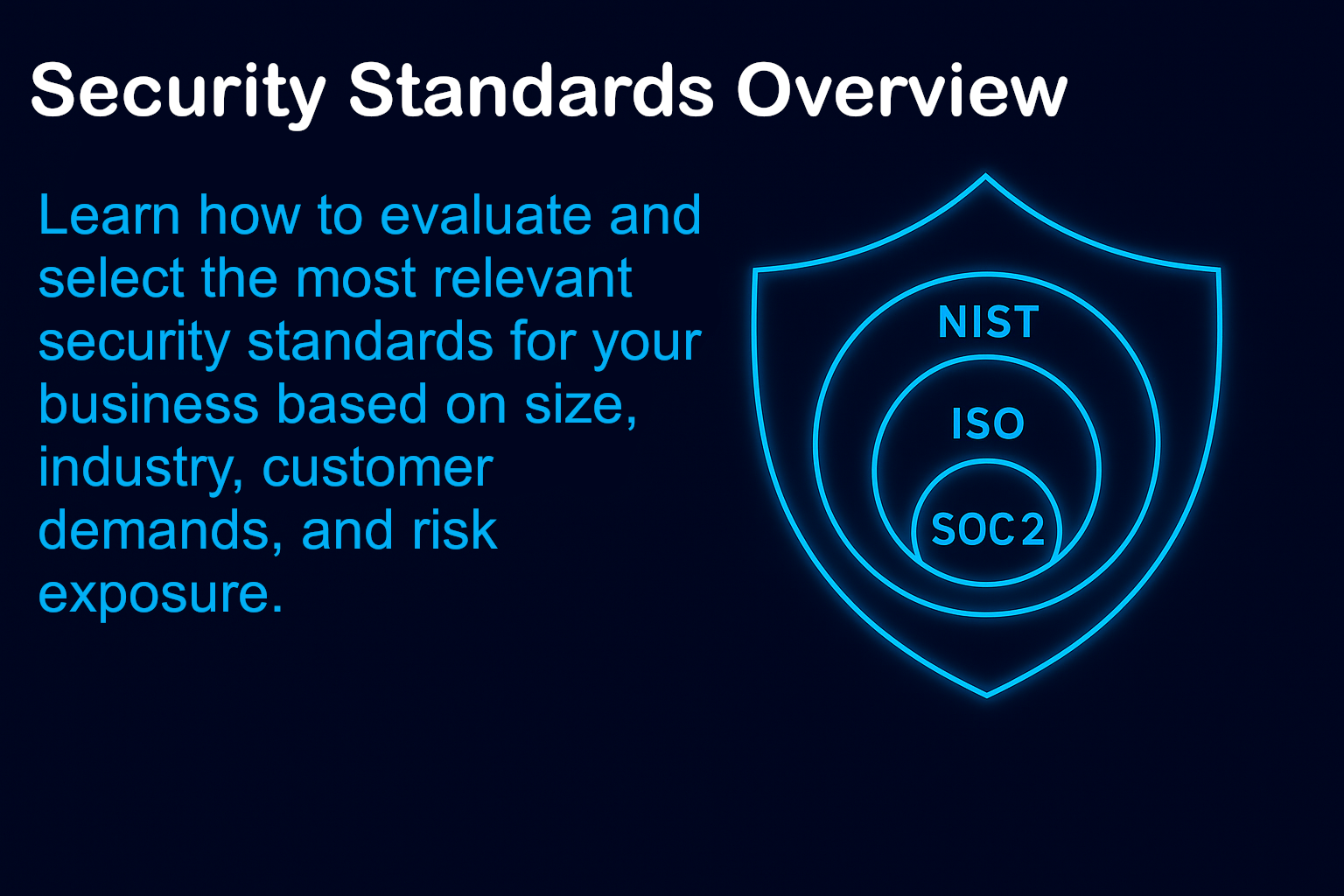 Most security frameworks were developed before the rise of cloud-native infrastructure. That’s why standards like ISO 27001, SOC 2, and even NIST can feel out of sync with the realities of modern platforms like AWS, Azure, and GCP. Yet auditors still expect you to comply—and to prove it.
This post explores how to interpret and implement traditional security standards in cloud environments, without shoehorning your architecture into legacy expectations.
🔎 Where Cloud Creates Friction
Security controls often assume clear ownership, static systems, and perimeter-based thinking. Cloud-native environments introduce complexities like:
- Shared responsibility: Who owns patching, logging, or encryption—your team or your CSP?
- Ephemeral resources: How do you audit something that existed for 10 minutes and is now gone?
- Infrastructure as Code: Policies and controls now live in YAML and Terraform, not just in tickets.
- Multi-account architectures: Centralized governance becomes harder to enforce and monitor.
These differences require a shift in how controls are interpreted—and how evidence is collected.
🧭 Translating Frameworks into Cloud Language
Here are examples of how traditional standards adapt to cloud realities:
- Asset management: Use AWS Config, Azure Resource Graph, or third-party tools to track resources dynamically.
- Access controls: Replace legacy RBAC docs with IAM policies, permission boundaries, and conditional access rules.
- Logging: Leverage native services like CloudTrail, Azure Monitor, and Google Cloud Logging for control verification.
- Change management: Your GitOps pipeline becomes the source of truth—log PRs and pipeline approvals as evidence.
⚙️ Evidence Automation Is Essential
Manual screenshots won’t scale in cloud-native environments. Invest in tools or scripts that continuously collect logs, config states, and drift reports as audit-ready evidence. Bonus: the same data that supports compliance also supports incident response and threat detection.
🚧 Compliance Doesn’t Mean Centralization
Standards assume control—but cloud-native doesn’t mean giving up decentralization. It means building controls into the platform, enforcing via policy-as-code (like OPA or SCPs), and monitoring continuously.
Federated teams can still pass audits if governance is embedded in the architecture.
📣 Final Thought
The cloud changes how you implement controls—but not why they matter. Focus on enforcing intent through automation, policy, and monitoring—and let your evidence come from the platform itself.
Need help translating standards like ISO or SOC 2 into your AWS or Azure environment? Let’s talk.